
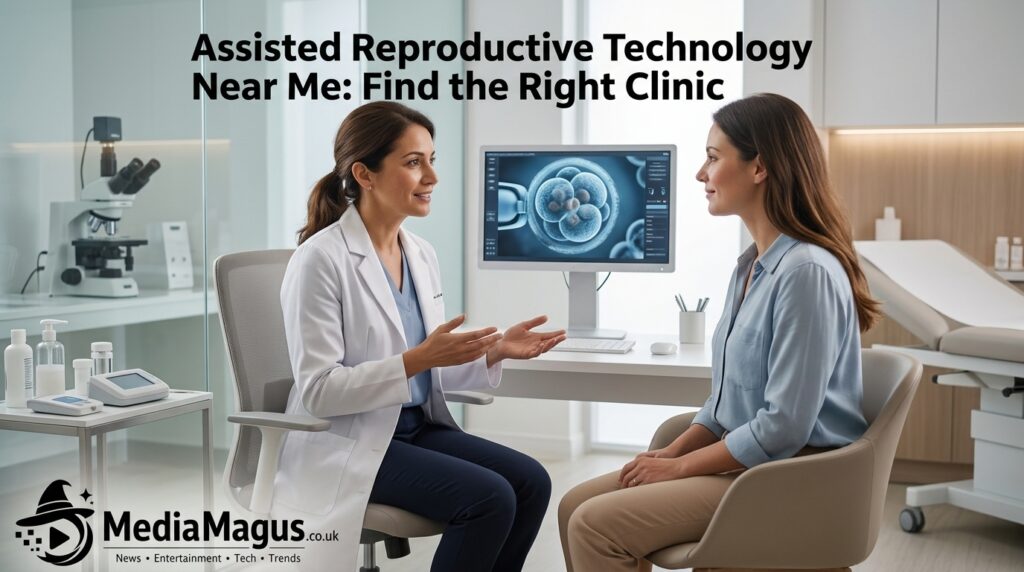

Searching for assisted reproductive technology near me usually means you are looking for a fertility clinic or reproductive medicine specialist that can provide advanced treatment close to where you live. Assisted reproductive technology, commonly called ART, includes fertility treatments in which eggs or embryos are handled as part of the process of achieving pregnancy. In the United States, in vitro fertilization (IVF) is the most common form of ART. The Centers for Disease Control and Prevention (CDC) reported that 435,426 ART cycles were performed at 457 reporting U.S. clinics in 2022, resulting in 94,039 live birth deliveries and 98,289 live born infants.
Finding a nearby clinic, however, should involve more than choosing the first result in Google Maps. Fertility treatment can involve several appointments, diagnostic tests, medications, laboratory procedures and follow up visits, so location is important, but it should be considered alongside physician expertise, laboratory quality, treatment options, patient support, published outcomes and total cost. A good fertility clinic should also explain which treatment is appropriate for your individual circumstances rather than presenting one procedure as the answer for everyone.
What Is Assisted Reproductive Technology?
Assisted reproductive technology refers to fertility treatments and procedures that involve handling human eggs or embryos to help achieve pregnancy. According to the CDC, ART includes procedures such as IVF and also encompasses egg and embryo freezing and donation. Procedures involving only sperm, such as intrauterine insemination (IUI), are not classified as ART under the CDC’s definition because the eggs are not handled outside the body.
IVF is the best known ART procedure. During IVF, eggs are retrieved from the ovaries and fertilized with sperm in a laboratory. The resulting embryo or embryos may then be transferred into the uterus, frozen for future use or, in some circumstances, donated. Some IVF treatments use intracytoplasmic sperm injection (ICSI), in which a single sperm is injected directly into a mature egg.
What ART Includes
Depending on the clinic and the patient’s needs, assisted reproductive technology may involve IVF, ICSI, egg freezing, embryo freezing, donor eggs, donor embryos and related laboratory services. Some patients may also require preimplantation genetic testing when medically appropriate. Not every fertility patient needs every treatment, which is why a proper evaluation is an important first step.
The term ART is sometimes used broadly in online searches, but the exact treatments available can differ between clinics. When searching for assisted reproductive technology near me, look beyond the phrase itself and check whether the clinic actually provides the specific fertility service recommended for your situation.
When Should You Consider ART?
ART is generally considered when pregnancy has not occurred after appropriate evaluation or when a known fertility problem makes advanced treatment appropriate. Infertility can have many causes involving ovulation, fallopian tubes, the uterus, sperm quality, age related fertility changes or combinations of factors. In some cases, no clear cause is identified.
The timing for evaluation can vary. CDC information notes that infertility is generally considered after 12 months of trying to conceive without contraception, while evaluation is generally recommended sooner for women aged 35 or older who have not conceived after six months. Individual circumstances can justify earlier assessment, so discussing concerns with a qualified healthcare professional is important.
Common Reasons for Fertility Treatment
People may seek fertility treatment because of blocked or damaged fallopian tubes, ovulation problems, endometriosis, diminished ovarian reserve, male factor infertility or unexplained infertility. ART can also be relevant for people who want to preserve fertility by freezing eggs or embryos, or for individuals and couples who require donor eggs, donor embryos or a gestational carrier.
The appropriate treatment depends on the diagnosis and personal circumstances. A clinic should therefore begin with an assessment rather than automatically recommending IVF to every patient.
How to Find Assisted Reproductive Technology Near You
When searching online for assisted reproductive technology near me, start by creating a shortlist of fertility clinics within a reasonable travel distance. Fertility treatment can require repeated monitoring appointments, laboratory procedures and follow up visits, so convenience can have genuine practical value.
However, proximity should not be the only deciding factor. Look for clinics with reproductive endocrinology and infertility expertise, appropriately trained medical professionals and established laboratory capabilities. Check whether the clinic offers the treatments you may need and whether it clearly explains its approach to patient care.
Search for Qualified Fertility Clinics
Use specific searches rather than relying on a single broad phrase. For example, you might search for fertility clinic near me, IVF clinic near me,reproductive endocrinologist near me or fertility specialist near me. You can then compare clinics based on services, credentials, location, patient information and publicly available outcomes.
For patients in the United States, CDC ART resources can also help people understand national and clinic level ART reporting. The CDC maintains an ART data system that allows users to review reported success rate information.
Check Services and Specialist Expertise
A nearby fertility clinic may offer basic fertility consultations but not every advanced treatment. Before scheduling an appointment, check whether it provides IVF, ICSI, embryo cryopreservation, egg freezing, donor programs, genetic testing coordination and other services relevant to your circumstances.
It is also worth checking who will actually provide your care. A fertility clinic may include reproductive endocrinologists, embryologists, nurses, genetic counselors and other specialists. A multidisciplinary team can be particularly valuable when fertility treatment involves complex medical or laboratory considerations.
What Treatments May Be Available?
In Vitro Fertilization
IVF is the most common ART procedure. It generally involves ovarian stimulation, monitoring, egg retrieval, laboratory fertilization, embryo development and embryo transfer or freezing. The exact protocol differs from person to person based on factors such as age, ovarian reserve, previous treatment and medical history.
Intracytoplasmic Sperm Injection
ICSI is a laboratory technique used during IVF in which an embryologist injects a single sperm directly into an egg. It is often considered when male factor infertility or previous fertilization difficulties make it appropriate. A clinic should explain why ICSI is being recommended rather than treating it as automatically necessary for every IVF cycle.
Egg and Embryo Freezing
Egg and embryo cryopreservation allows reproductive material to be stored for possible future use. Freezing may be used as part of fertility preservation or during an IVF treatment strategy. The decision between freezing eggs and embryos depends on individual circumstances, reproductive goals and medical advice.
Donor Eggs and Embryos
Some patients may require donor eggs or embryos because of ovarian factors, genetic considerations or other circumstances. Donor programs involve additional medical, legal and ethical considerations, so prospective patients should ask the clinic how donors are screened and how the process is managed.
How to Compare Nearby Fertility Clinics
Choosing a fertility clinic is an important healthcare decision. Online reviews can provide insight into communication and patient experience, but reviews should not replace professional credentials, treatment information or outcome data.
Success Rates
Success rates are important, but they require context. A clinic’s results can vary according to patient age, diagnosis, treatment type, embryo characteristics and other factors. Comparing one clinic’s overall percentage with another clinic’s percentage without considering the patient populations can produce a misleading impression.
The CDC publishes ART surveillance data and clinic reporting information for the United States. Its 2022 surveillance data shows the scale of contemporary ART treatment and provides a useful starting point for understanding reported outcomes.
Laboratory Services
The embryology laboratory is a critical component of IVF care because eggs, sperm and embryos are handled there. Ask about laboratory capabilities, embryo culture, cryopreservation and the clinic’s approach to embryo transfer. Patients can also ask which laboratory procedures are performed onsite and which are provided through outside facilities.
Communication and Patient Support
Fertility treatment can involve complicated medical terminology, multiple appointments and emotionally difficult decisions. A clinic that provides clear explanations, accessible staff and structured patient support can make the treatment process easier to understand.
During an initial consultation, pay attention to whether the provider explains alternatives, potential risks, expected steps and costs in understandable language. You should feel comfortable asking questions before making a treatment decision.
Cost and Insurance
The cheapest clinic is not necessarily the least expensive option overall. Treatment costs can include consultations, medications, monitoring, egg retrieval, laboratory procedures, embryo freezing, storage, genetic testing and additional treatment cycles. Ask for an itemized estimate and determine which services are included in the quoted price.
Insurance coverage varies significantly by location, employer and insurance plan. Some plans cover fertility evaluation but provide limited or no coverage for IVF, while others may offer specific fertility benefits. Ask both the clinic and your insurer to clarify coverage before beginning treatment.
What Happens During an ART Consultation?
An initial fertility consultation generally focuses on understanding your reproductive history and identifying potential causes of infertility. Depending on the circumstances, evaluation may include medical history, physical examination, blood testing, ultrasound, ovarian reserve assessment, semen analysis or other investigations.
Fertility Evaluation
Both partners may need evaluation because fertility problems can involve either or both members of a couple. The specific tests depend on medical history and symptoms. A comprehensive assessment can help the specialist determine whether medication, surgery, IUI, IVF or another approach may be appropriate.
Treatment Planning
Once the available information has been reviewed, the fertility specialist can explain potential treatment options. A good treatment plan should consider the patient’s diagnosis, age, reproductive goals, previous treatment and relevant medical factors.
There is rarely a single treatment that is ideal for every patient. The goal is to identify an evidence based approach that balances potential benefits, risks, cost and personal priorities.
Questions to Ask
Before leaving your first consultation, consider asking:
- What is the likely cause of infertility?
- Which treatment do you recommend and why?
- Are there alternatives to IVF?
- What tests are needed before treatment?
- What does one treatment cycle include?
- Which costs are included in the quoted price?
- What additional costs could arise?
- How are success rates measured?
- What are the potential risks?
- How does the clinic support patients during treatment?
These questions can make it easier to compare providers and understand whether a clinic is a good fit.
How Much Does ART Cost?
There is no universal price for assisted reproductive technology. The total cost depends on the country, clinic, treatment protocol, medications, laboratory procedures, number of cycles and additional services. IVF can be substantially more expensive than an initial consultation or less complex fertility treatment.
Patients searching for assisted reproductive technology near me should therefore ask for a written cost estimate rather than relying on an advertised starting price. A package may exclude medications, embryo storage, genetic testing, anesthesia or other services. Understanding these exclusions can prevent unexpected expenses later.
Factors That Affect Cost
Costs can increase when additional treatment cycles are required or when patients need procedures such as ICSI, embryo freezing, storage or preimplantation genetic testing. Donor programs and gestational carrier arrangements can involve additional expenses and specialized legal or medical requirements.
Ask the clinic whether financing plans, payment schedules or insurance billing assistance are available. Also ask how long stored embryos or eggs can remain in storage and what annual storage fees apply.
What Affects ART Success?
ART success depends on multiple factors, and no reputable clinic can guarantee a pregnancy or live birth. Age is an important consideration because egg quantity and quality change over time, but other factors also matter, including reproductive history, sperm factors, diagnosis, embryo characteristics and treatment strategy.
Clinic laboratory performance and clinical expertise can also matter, which is why patients should examine outcome data carefully instead of choosing solely on location or online ratings. CDC reporting provides standardized information that can help U.S. patients investigate ART outcomes.
Another important consideration is that a successful pregnancy is not the same measurement as a live birth. When comparing fertility statistics, check exactly what the reported percentage represents and whether the data is based on treatment cycles, embryo transfers, clinical pregnancies or live births.
Questions to Ask Before Choosing a Clinic
Before selecting a provider from the results for assisted reproductive technology near me, consider whether the clinic can answer these questions clearly:
- Is the fertility specialist appropriately qualified for my needs?
- Which ART procedures does the clinic provide?
- Does the clinic have an embryology laboratory onsite?
- How does the clinic report success rates?
- Are results broken down by age or treatment type?
- What is included in the cost of one cycle?
- Which medications and laboratory procedures cost extra?
- Does the clinic offer genetic testing or coordinate it?
- What are the clinic’s embryo freezing and storage policies?
- How quickly can I get an initial consultation?
- What happens if the first treatment cycle is unsuccessful?
- What patient support resources are available?
A clinic that provides transparent answers can help you make a more informed healthcare decision.
Conclusion
If you are searching for assisted reproductive technology near me, the best approach is to look for a qualified fertility clinic that combines appropriate medical expertise, reliable laboratory services, transparent outcome reporting and clear communication. A nearby location can make repeated appointments easier, but proximity should not outweigh the quality and suitability of care.
Start by identifying several fertility providers, compare the ART services they offer, review available success-rate information, ask about total treatment costs and schedule a consultation with a qualified fertility specialist. Most importantly, remember that fertility treatment is highly individual. A personalized medical evaluation is the right starting point for determining whether IVF or another fertility treatment is appropriate for you.
You may also read more blogs
SUS ROG Archer ErgoAir Gaming Backpack Review
Frequently Asked Questions
What is assisted reproductive technology?
Assisted reproductive technology, or ART, refers to fertility treatments involving the handling of eggs or embryos to help achieve pregnancy. IVF is the most common ART procedure. ART can also involve egg or embryo freezing and donation.
What is the most common type of ART?
In vitro fertilization, or IVF, is the most common type of assisted reproductive technology. IVF involves retrieving eggs, fertilizing them with sperm in a laboratory and transferring an embryo to the uterus or freezing it for later use.
Is IUI considered assisted reproductive technology?
Under the CDC definition, IUI is not classified as ART because it involves placing sperm into the uterus without handling eggs or embryos outside the body. ART generally involves procedures in which eggs or embryos are handled.
How do I find assisted reproductive technology near me?
Search for local fertility clinics, IVF centers and reproductive endocrinologists, then compare their qualifications, services, published outcomes, laboratory capabilities, costs and patient support. Location matters, but treatment quality and suitability should also influence your decision.
How do I know which fertility treatment is right for me?
The appropriate treatment depends on factors such as age, reproductive history, fertility diagnosis, ovarian reserve, sperm factors and previous treatment. A fertility specialist can evaluate these factors and explain appropriate options.
How long does an ART treatment cycle take?
An ART cycle involves several stages, including ovarian stimulation, monitoring, egg retrieval, fertilization and embryo development. The exact timeline varies according to the treatment protocol, and some cycles may involve additional time for embryo testing or freezing.
Does insurance cover assisted reproductive technology?
Coverage varies considerably by insurance plan and location. Some plans may cover fertility evaluation or selected treatments, while others may provide little or no coverage for IVF. Patients should verify benefits with their insurer and request an itemized estimate from the clinic.
Can ART guarantee pregnancy?
No. ART can help people experiencing infertility, but it cannot guarantee pregnancy or a live birth. Outcomes depend on many factors, including age, diagnosis, treatment type, embryo characteristics and individual circumstances.