
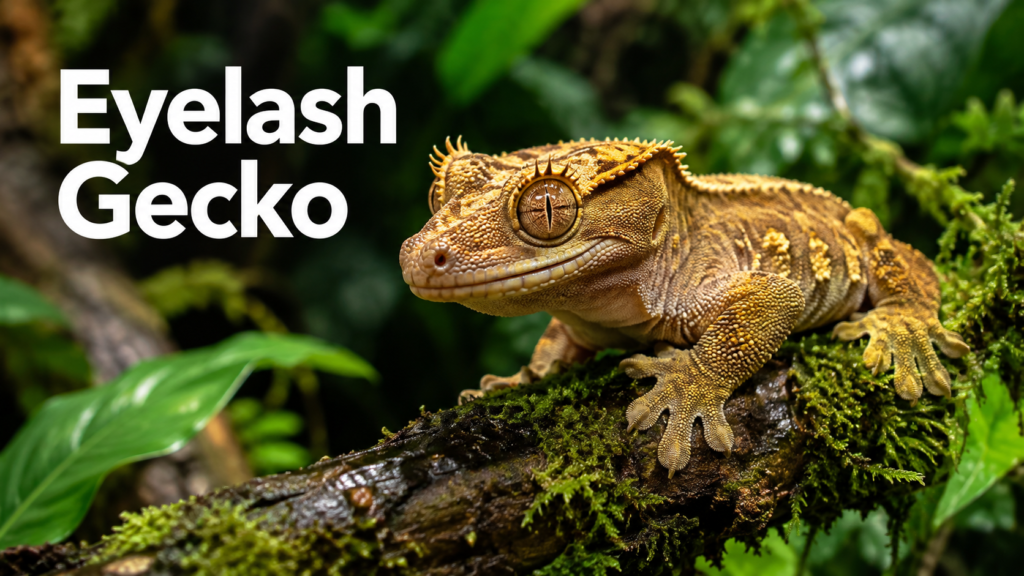

The eyelash gecko is one of the most recognisable small lizards in the reptile world. Better known as the crested gecko, this arboreal species is scientifically called Correlophus ciliatus. It is native to New Caledonia and is known for the raised, eyelash like structures running above its eyes and along the sides of its head.
Although its unusual appearance has made it popular in captivity, there is much more to this gecko than its distinctive looks. It has specialised climbing abilities, a varied omnivorous diet, interesting defensive behaviour, and a fascinating natural history.
The species was described in 1866 but was famously considered extinct for much of the twentieth century before being rediscovered in New Caledonia in 1994. Today, it is well established in the captive reptile trade, while wild populations remain important from a conservation perspective.
What Is an Eyelash Gecko?
An eyelash gecko is the common name for the crested gecko, Correlophus ciliatus. The species belongs to the order Squamata and is an arboreal gecko native to New Caledonia, a group of islands in the South Pacific.
The name eyelash gecko comes from the soft, raised crests around the eyes and head. These structures give the animal the appearance of having eyelashes, although they are actually specialised scales rather than true eyelashes.
The species was formerly classified under the name Rhacodactylus ciliatus, which explains why older reptile references may use that scientific name. Modern taxonomic databases recognise Correlophus ciliatus as the current name.
Despite being called a crested gecko, the most obvious crest is not simply a single ridge. Fine, elongated scales extend along both sides of the head and neck, producing the characteristic fringed appearance.
Eyelash Gecko Appearance and Size
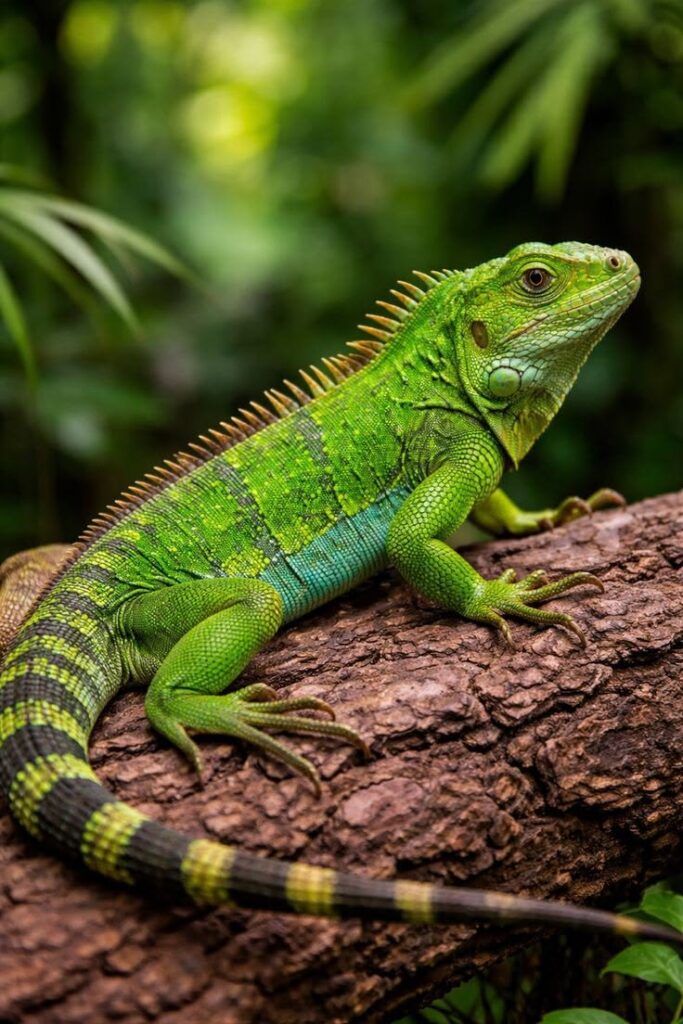
An adult eyelash gecko generally reaches around 20–25 cm (8–10 inches) in total length, including its tail, although individual size varies. Captive adults commonly weigh roughly 35–55 grams depending on sex, age and body condition.
Its appearance includes several features that make it easy to recognise:
- Large, lidless eyes
- Eyelash like crests above the eyes
- A triangular head
- Soft, granular skin
- A long, muscular tail
- Sticky toe pads for climbing
- Small claws
- Highly variable colours and patterns
Eyelash geckos can occur in shades ranging from tan and brown to orange, red, cream and grey. Captive breeding has also produced numerous colour and pattern variations, commonly called morphs.
One particularly interesting feature is its eyes. Eyelash geckos do not have conventional movable eyelids. Instead, they use their tongues to clean and moisten their eyes. Their climbing ability is similarly specialised: microscopic structures called setae on their toe pads help them grip surfaces.
Where Eyelash Geckos Live in the Wild
The eyelash gecko is endemic to New Caledonia, meaning its natural distribution is restricted to this island region. It occurs on parts of Grande Terre and the Isle of Pines, with populations associated with humid forest environments.
This is an arboreal species, so it spends much of its life above the ground. Research published on the species describes populations occurring in scattered forested areas at approximately 150–1,000 metres above sea level.
Its natural environment helps explain why a captive enclosure should provide vertical climbing opportunities rather than being designed like a ground dwelling lizard habitat.
Branches, vines, foliage and elevated resting areas allow the gecko to use the three dimensional space available to it. In the wild, the animal can move through vegetation and leap between branches while searching for food and shelter.
Eyelash Gecko Behaviour and Daily Activity
Eyelash geckos are primarily nocturnal to crepuscular, meaning they become most active around dusk and during the night. During daylight hours, they commonly rest in vegetation or sheltered locations.
Their arboreal lifestyle is reflected in their physical abilities. Sticky toe pads allow them to climb vertical surfaces, while their tails help with balance and movement through branches. Research on the species describes them moving through the upper canopy and jumping between branches while foraging.
An eyelash gecko may also change the intensity of its colour. Keepers often describe a darker, more contrasting appearance as the gecko becoming “fired up.” This can happen during periods of activity or stimulation, although the precise biological causes of colour changes are not completely understood.
Their behaviour is one reason they are often more enjoyable as an observation animal than a pet that needs constant handling.
What Do Eyelash Geckos Eat?
Eyelash geckos are omnivores. Their natural diet includes both plant based foods and animal prey, including fruit and small invertebrates. Research describing the species’ natural ecology also identifies insects and fruit among its food sources.
For captive animals, nutrition should be balanced rather than based exclusively on fruit or insects.
A suitable captive diet can include:
- Nutritionally complete crested gecko diets
- Appropriate feeder insects
- Properly prepared supplements when required
- Fresh drinking water
- Occasional dietary variety appropriate to the animal
Commercial complete diets have become an important part of modern crested gecko husbandry, but feeding practices should still be based on the nutritional needs of the species rather than simply offering whatever food the gecko accepts.
Young geckos generally require more frequent nutrition than adults, while portions and feeding schedules should be adjusted according to age, body condition and individual needs.
How Long Do Eyelash Geckos Live?
A well cared for eyelash gecko can live for around 15–20 years in captivity, making it a long term commitment rather than a short lived pet.
Longevity depends on several factors, including:
- Appropriate temperatures
- Suitable humidity cycles
- Balanced nutrition
- Calcium and vitamin management
- Clean living conditions
- Adequate enclosure space
- Proper handling
- Access to appropriate veterinary care
A healthy lifespan should therefore be viewed as the result of consistent husbandry rather than simply an inherent characteristic of the species.
Anyone considering an eyelash gecko as a pet should think beyond the initial purchase. Caring for one potentially means committing to an animal for two decades.
Are Eyelash Geckos Good Pets?
For experienced or first time reptile keepers willing to learn proper husbandry, eyelash geckos can be relatively manageable pets. WWF’s exotic pet assessment currently categorises the crested gecko as low risk as a pet when properly cared for and recommends obtaining animals from reputable sources or rescue organisations.
Their advantages include their relatively small adult size, interesting appearance and generally manageable husbandry requirements.
However, easy does not mean maintenance free.
A keeper still needs to provide a secure enclosure, appropriate environmental conditions, climbing structures, nutrition, hydration, routine cleaning and monitoring.
They are also not necessarily ideal for constant handling. Individual temperament varies, and rough handling can cause stress or injury.
Eyelash Gecko Care Essentials
The enclosure should reflect the species’ natural arboreal lifestyle. A vertical vivarium with climbing structures is more appropriate than a low, floor focused enclosure.
Useful enclosure features include:
| Care requirement | What it means |
|---|---|
| Vertical space | Allows natural climbing behaviour |
| Branches and vines | Provide routes and exercise |
| Foliage | Offers cover and security |
| Appropriate humidity | Supports hydration and shedding |
| Temperature control | Prevents dangerous environmental extremes |
| Safe substrate | Reduces husbandry related risks |
| Feeding area | Keeps food accessible and hygienic |
| Secure ventilation | Balances humidity and fresh air |
Recent husbandry literature emphasises enclosure design, climbing structures, temperature and humidity management, nutrition, shedding and calcium management as important components of captive care.
Humidity should not simply mean keeping the enclosure permanently wet. A suitable environmental cycle should provide moisture while also allowing appropriate drying and ventilation.
For more detailed husbandry, keepers should use current veterinary or specialist reptile care guidance rather than relying solely on social media advice.
Reproduction and Tail Loss
Eyelash geckos have several interesting reproductive and defensive characteristics.
Females lay eggs, and successful reproduction requires careful attention to the health and nutritional status of breeding animals. Captive breeding research has identified body condition, incubation conditions and environmental management as important factors affecting reproductive outcomes.
One of the most surprising features of the species is tail loss.
An eyelash gecko can deliberately drop its tail as a defensive response, a behaviour known as caudal autotomy. In the wild, losing part of the body can give a predator something to grab while allowing the gecko to escape.
Unlike some lizards, however, the crested gecko’s lost tail does not grow back. A healthy tailless adult can continue living normally, but the missing tail remains a permanent feature.
This is an important reason never to grab, squeeze or pull an eyelash gecko’s tail.
Conservation Status of the Eyelash Gecko
The eyelash gecko’s popularity as a pet can sometimes create the impression that the species is abundant everywhere. Its wild situation is more complicated.
The species is currently classified as Vulnerable on the IUCN Red List. Its restricted natural distribution and continuing threats to habitat are important conservation concerns.
New Caledonian conservation information identifies habitat degradation and fragmentation among the threats affecting the species. Introduced predators such as rats and cats can also pose risks in affected forest areas.
This makes responsible captive ownership particularly important. Prospective keepers should favour reputable captive bred animals with clear provenance rather than supporting questionable collection or illegal wildlife trade.
Final Thoughts on the Eyelash Gecko
The eyelash gecko is far more than a distinctive looking pet lizard. Correlophus ciliatus is a specialised New Caledonian tree dweller with unusual climbing adaptations, an omnivorous diet, defensive tail dropping behaviour and a potentially 15–20 year lifespan.
Its popularity in captivity makes responsible ownership especially important. Understanding where the species comes from, how it behaves and what it needs in captivity is the best way to appreciate this remarkable gecko while supporting good animal welfare and conservation practices.
Frequently Asked Questions About Eyelash Geckos
Is an eyelash gecko the same as a crested gecko?
Yes. Eyelash gecko and crested gecko are common names used for Correlophus ciliatus. The eyelash name refers to the distinctive crest like structures surrounding the eyes.
How big does an eyelash gecko get?
Most adult eyelash geckos reach roughly 20–25 cm, or about 8–10 inches, when measured from the tip of the snout to the end of the tail. Weight varies between individuals.
What does an eyelash gecko eat?
Eyelash geckos are omnivores. In the wild they consume a combination of fruit and small invertebrates. Captive animals can be fed nutritionally complete crested gecko diets alongside appropriately selected feeder insects.
Do eyelash geckos have eyelids?
No. They lack conventional movable eyelids and use their tongues to clean and moisten their eyes.
Can eyelash geckos lose their tails?
Yes. They can drop their tails as a defensive response. Unlike some other lizards, the lost tail does not regenerate, so careful handling is essential.
Are eyelash geckos good beginner pets?
They can be suitable for beginners who are prepared to learn proper reptile husbandry. Their small size and manageable care requirements are appealing, but they still require an appropriately designed enclosure, correct environmental conditions and balanced nutrition.
Where are eyelash geckos naturally found?
They are endemic to New Caledonia, including parts of Grande Terre and the Isle of Pines. Wild individuals are associated with humid forest environments and are adapted to life in trees.
How long can an eyelash gecko live?
In captivity, eyelash geckos commonly have an expected lifespan of approximately 15–20 years when provided with appropriate care.
You may also read more blogs